

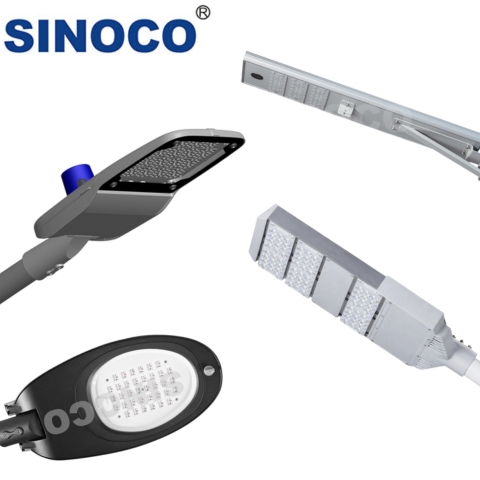
In a world moving toward smarter, greener, and more efficient infrastructure, LED highway light suppliers play a pivotal role in powering the future of roadway illumination. From cutting energy costs and reducing maintenance to enhancing visibility and safety, modern LED highway lights have reshaped how cities and countries light their roads. This comprehensive guide dives into everything you need to know — whether you’re a city planner, infrastructure buyer, sustainability advocate, or simply curious about LED lighting.
Public roadways demand reliable, efficient, and long-lasting lighting solutions. Traditional lighting like High-Intensity Discharge (HID) lamps are quickly being replaced by LED (Light Emitting Diode) technology — and for good reasons: lower energy use, reduced maintenance, and better lighting quality.
Best LED highway light suppliers Around the Globe
This blog explores why LED highway light suppliers are essential partners for urban planning, infrastructure upgrades, and sustainable development initiatives.
Table of Contents

1. What Are LED Highway Lights?
LED highway lights are high-performance luminaires designed specifically for:
- Major highways
- Rural and urban roadways
- Expressways
- Tunnel entrances
- Pedestrian and cycling corridors
Unlike traditional lamps, LED lights use semiconductor technology to emit bright light with greater energy efficiency and longer lifespans.
Key Components:
| Component | Function |
|---|---|
| LED Chips | Emit light |
| Heat Sink | Reduces thermal buildup |
| Driver | Regulates electrical current |
| Housing | Protects internal components |
| Lens/Diffuser | Shapes light distribution |
2. Why LED Highway Lighting Matters
2.1 Energy Efficiency
LED lights consume significantly less power — often 50–70% less than HID or fluorescent lamps. For cities with hundreds or thousands of streetlights, this translates into massive cost savings.
2.2 Safety & Visibility
LED highway lights provide bright, uniform illumination with excellent color rendering — meaning drivers can distinguish objects and colors more clearly at night.
2.3 Long Lifespan
Properly designed LED lights can last 50,000–100,000 hours — up to ten times longer than traditional lamps. This reduces replacement frequency, labor costs, and road disruptions.
2.4 Environmental Sustainability
Lower power consumption reduces carbon emissions. LEDs also avoid hazardous materials like mercury, making disposal safer.

3. Key Features of Top-Tier LED Highway Lights
A high-quality LED highway lighting solution should include:
- High Lumen Output: Bright enough to meet safety standards
- Uniform Light Distribution: No dark zones or excessively bright spots
- High IP Rating: Weatherproof and dustproof (IP65+)
- Robust Thermal Management: For durability and performance
- Low Total Cost of Ownership (TCO): Light + energy + maintenance costs
- Smart Control Compatibility: For dimming and adaptive lighting
- Warranty & After-Sale Support: Signals supplier confidence
4. Criteria for Choosing the Best LED Highway Light Suppliers
Selecting the right supplier can make or break your lighting project. Key selection criteria include:
4.1 Experience and Track Record
Look for companies with proven installations and testimonials.
4.2 Product Quality Certifications
Important standards include ISO, DLC, CE, RoHS, ETL, and LM80 reports.
4.3 Manufacturing Transparency
Suppliers with clear production processes and quality controls typically deliver better products.
4.4 Warranty Terms
A strong warranty reflects product reliability.
5.5 Technical Support and Service
Responsive support ensures smooth installation and troubleshooting.
5.6 Global Reach and Logistics
Able to ship and support projects internationally.

5. Top LED Highway Light Suppliers Worldwide
Below are some of the most reputable and high‑performing companies that specialize in LED highway lighting around the globe. These suppliers are recognized for quality engineering, energy‑efficient products, and strong international presence.
1. Philips Lighting (Signify)
Overview: A global lighting pioneer with decades of experience in outdoor and roadway lighting solutions.
Strengths:
- Broad range of highway lighting products
- Advanced optical designs and smart control integrations
- Strong reputation for quality and reliability
Ideal For: Large infrastructure projects and smart city deployments
2. Osram
Overview: Established German lighting leader known for precision engineering.
Strengths:
- Durable LED modules with excellent light performance
- Extensive field application expertise
Ideal For: Projects emphasizing performance and longevity
3. GE Current
Overview: A major player in industrial and street lighting solutions.
Strengths:
- Customizable LED fixtures
- Comprehensive warranties and strong technical support
Ideal For: Municipal and highway lighting contracts
4. Cree Lighting
Overview: U.S.‑based innovator in high‑efficacy LED technology.
Strengths:
- High lumen efficacy products
- Strong commitment to energy savings
Ideal For: Applications where efficiency gains are critical
5. Zumtobel Group
Overview: Austrian lighting group offering premium system solutions.
Strengths:
- Optimized optical performance
- Smart lighting and adaptive control compatibility
Ideal For: Smart city and IoT‑enabled roadway projects
6. SEOUL Semiconductor
Overview: Korean LED manufacturer with advanced chip technology.
Strengths:
- Leading semiconductor LED performance
- Competitive pricing with high reliability
Ideal For: Cost‑efficient, high‑performance lighting networks
7. Eaton (Cooper Lighting Solutions)
Overview: Known for rugged and weather‑resistant outdoor lighting products.
Strengths:
- Excellent IP/IK ratings
- Wide range of adaptive lighting options
Ideal For: Harsh climates and industrial road networks
8. Hubbell Lighting
Overview: Trusted outdoor lighting supplier, particularly in North America.
Strengths:
- Strong warranty and support
- Scalable solutions for large projects
Ideal For: Large‑scale commercial and highway lighting
9. Sinocoled (Shenzhen Sinoco Lighting Technologies Co., Ltd.)
Overview: A rapidly growing global LED light manufacturer and supplier headquartered in Shenzhen, China, with more than 15 years of industry experience in LED outdoor lighting including highway and street lights.
Why Sinocoled Stands Out:
- Broad Product Portfolio: Offers LED street and highway lights, solar LED street lights, and outdoor lighting systems suitable for global roadway infrastructure.
- Global Certifications: Products certified to standards such as CE, ETL, DLC, CB, ENEC, RoHS, and more — ensuring performance and safety compliance in many regions.
- Energy‑Efficient Design: LED modules engineered for high luminous efficacy and long lifespan, helping cities and contractors cut energy use and maintenance costs.
- Smart Lighting Compatibility: Supports intelligent lighting control systems (e.g., LoRaWAN, Zigbee, NB‑IoT) for adaptive and remote monitoring capabilities.
- Manufacturing Capacity: Significant production volume with stock availability to support large public contracts and international tenders.
Ideal For: Global infrastructure buyers, public works agencies, and highway project integrators looking for cost‑effective, certified, and scalable LED highway lighting solutions.
10. Other Emerging Suppliers
In addition to the major brands above, several regional and specialized manufacturers also offer strong LED highway lighting solutions — particularly in Asia, Europe, and North America. Evaluating these options can be beneficial for localized projects or specific technical requirements.
6. How to Compare LED Highway Light Suppliers (Checklist)
Use this practical checklist when evaluating suppliers:
- Certifications: CE, UL, DLC, RoHS
- Lumen Output & Efficacy: Lumens per watt (Lm/W)
- Warranty Duration
- IP and IK Ratings
- Thermal Management Quality
- Customer Reviews
- Field Case Studies
- Smart Features (adaptive lighting, dimming, sensors)
- Price & Value for Money
7. Real-World Use Cases
Use Case 1: Municipal Road Network Upgrade
A mid-sized city replaced 10,000 HID highway lamps with LEDs and saved 60% in energy costs within the first year.
Use Case 2: Smart Highway Project
A national highway authority integrated LED highway lights with adaptive dimming to improve safety and reduced light pollution in rural areas.
Use Case 3: Industrial Corridor Lighting
LED lighting with rugged housing and vibration resistance was installed in an industrial road network with heavy truck traffic.
8. Installation & Maintenance Insights
Installation Tips:
- Ensure poles are properly aligned with the luminaire
- Check electrical connections and grounding
- Use surge protection for areas prone to electrical fluctuations
- Program smart controls before activation
Maintenance Best Practices:
- Clean lenses annually
- Check for driver overheating
- Test smart controls quarterly
9. Common Challenges and Drawbacks
While LED highway lighting is overwhelmingly beneficial, some considerations include:
- Higher upfront cost: More expensive than traditional lamps initially
- Technical Compatibility: Smart features require infrastructure support
- Quality Variability: Not all LED suppliers offer same performance
Despite these, lifetime cost savings and performance benefits generally outweigh drawbacks.
10. Cost Considerations
The total cost of an LED highway light project includes:
| Cost Factor | Typical Impact |
|---|---|
| Lamp & Fixture | Primary purchase cost |
| Installation Labor | Varies by region |
| Energy Consumption | Ongoing operational cost |
| Maintenance | Replacement and repairs |
| Smart Controls | Optional but adds long-term value |
11. Environmental Benefits
LED highway lighting contributes to sustainability goals by:
- Reducing greenhouse gas emissions
- Avoiding hazardous materials
- Minimizing light pollution
- Supporting energy conservation targets
These environmental benefits help cities meet climate action and green infrastructure goals.
12. FAQs About LED Highway Lights
Q: How long do LED highway lights last?
Typically 50,000–100,000 hours depending on quality and operating conditions.
Q: Are LED highway lights worth the investment?
Yes — energy savings and reduced maintenance often pay back the investment in a few years.
Q: Can LED highway lights be controlled remotely?
Many modern systems support smart controls, sensors, and adaptive dimming.
Q: Do LEDs work in cold weather?
Yes — LEDs perform well in low temperatures and often better than traditional lamps.
Q: Can existing poles be reused?
In most cases, yes — if they are structurally sound and compatible with LED fixtures.
13. Conclusion
Choosing the best LED highway light suppliers is more than a purchase — it’s a strategic investment in safety, sustainability, and cost efficiency. With the right partner and products, cities, road authorities, and infrastructure developers can significantly reduce energy usage, lower maintenance needs, and provide brighter, safer roadways.
From global leaders like Philips and Osram to technology-driven innovators like Cree and SEOUL Semiconductor, LED highway light suppliers are transforming how the world lights its roads. Carefully evaluate each option, consider your project’s unique goals, and invest in solutions built for the future.