

Light therapy for horses is rapidly gaining recognition in the world of equine health, rehabilitation, athletic performance, and wound care. Whether you’re managing chronic pain, aiding tissue healing after injury, improving hoof health, or supporting overall well‑being, equine light therapy equipment — when used correctly — can make a significant difference.
Equine Light Therapy Equipment Daily Usage for Best Results
In this comprehensive guide, you’ll learn:
- What equine light therapy is and how it works
- The science behind different light wavelengths and equine physiology
- Daily usage protocols for performance, injury, and skin conditions
- Safety precautions and contraindications
- Best practices for horse owners, trainers, and veterinarians
Let’s dive in.
1. What Is Equine Light Therapy?
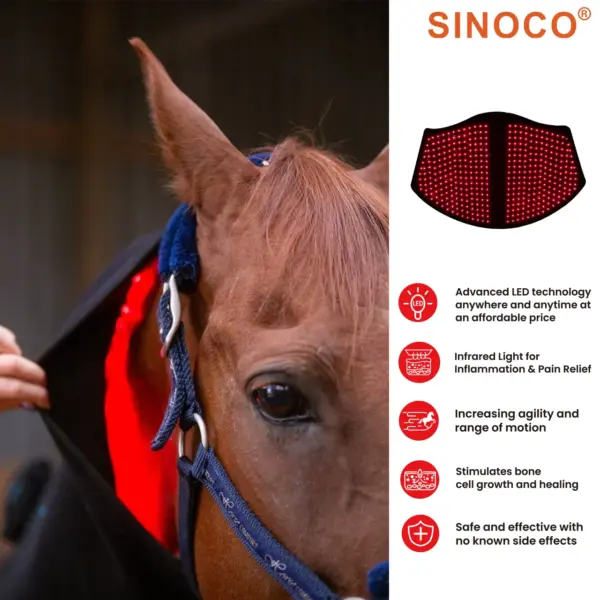
Equine light therapy refers to the use of specific wavelengths of light — including red light (visible), near‑infrared (NIR), and sometimes blue light — to stimulate biological processes in horse tissues. This non‑invasive method harnesses photobiomodulation (PBM) to boost cellular function, reduce inflammation, improve circulation, and accelerate healing.
How It Works
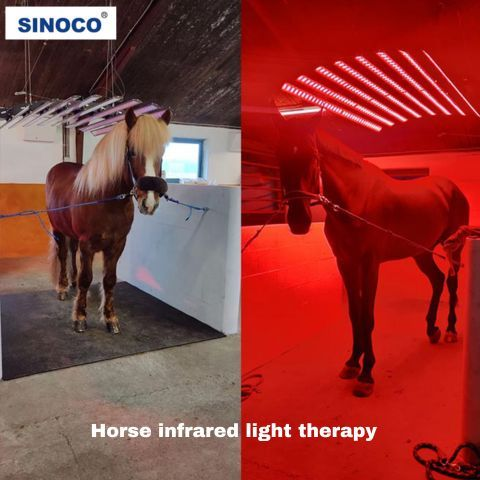
When targeted light energy penetrates skin and soft tissue, it interacts with the mitochondria — the “powerhouses” of cells — increasing ATP production (cellular energy). In horses, this can support:
- Faster wound healing
- Reduced muscle and joint stiffness
- Enhanced recovery after exercise
- Better hoof quality
- Decreased inflammation
Equine Light therapy equipment engages natural biological pathways, making it suitable for performance horses, therapeutic rehabilitation, and even senior horses needing maintenance care.
2. The Science Behind Wavelengths and Equine Tissue
Different wavelengths have different effects:
| Wavelength | Primary Use | Penetration Depth |
|---|---|---|
| Red Light (600–700 nm) | Surface tissue treatment, epidermal healing, skin conditions | Shallow |
| Near‑Infrared (780–1200 nm) | Muscle, joint, tendon, ligament therapy | Deep |
| Blue Light (400–500 nm) | Antibacterial effects, surface wound care | Oral/Hoof surface |
Red and near‑infrared light are the most commonly used in equine therapy. Near‑infrared light’s deeper tissue penetration makes it especially useful for:
- Tendon and ligament recovery
- Muscle relaxation
- Deep inflammation reduction
3. Why Use Light Therapy on Horses? (Benefits Backed by Equine Practice)
Owners and trainers are increasingly integrating light therapy into equine care because it can:
A. Speed Up Injury Recovery
For soft tissue injuries — like strains, sprains, or tendon injuries — light therapy can:
- Reduce swelling
- Increase blood flow to injured areas
- Stimulate collagen production for tendon repair
B. Improve Performance and Recovery
After workouts or competitions, light therapy helps:
- Reduce muscle tightness
- Improve recovery time
- Lower the risk of overuse injuries
C. Aid Chronic Conditions
Conditions like arthritis, laminitis, bursitis, and back soreness respond well to repeated light therapy sessions.
D. Enhance Wound Healing
When applied properly, light therapy can:
- Promote cell regeneration
- Reduce infection risk
- Limit scar tissue formation
4. Daily Usage Guide: How to Apply Light Therapy to Horses
Light therapy requires attention to frequency, duration, and placement. Here’s how to structure an effective daily routine for different needs.
A. Pre‑Activity Warm‑Ups
Before riding or training:
- Target major muscle groups (shoulder, hindquarters)
- Use near‑infrared for 5–10 minutes per area
- Helps loosen muscles and increase circulation
Goal: Prepare soft tissues for exertion and reduce injury risk.
B. Post‑Activity Recovery
After work, competition, or travel:
- Treat areas prone to fatigue (back, legs, hips)
- 10–15 minutes per major region
- Repeat for 3–5 days post‑event
Goal: Support muscle recovery and reduce stiffness.
C. Injury and Rehabilitation Protocols
Injury care requires a structured therapy schedule:
Phase 1 – Acute Injury (Days 1–7)
- Treat injured area 2–3 times daily
- Keep sessions at 8–12 minutes
- Focus on swelling reduction and pain management
Phase 2 – Tissue Repair (Weeks 1–3)
- Once daily light application
- Increase to 10–15 minutes
- Begin gentle movement exercises in conjunction
Phase 3 – Remodelling & Strengthening
- Use therapy every other day
- Support tissue remodeling and strength retention
Note: Always consult an equine veterinarian before beginning post‑injury therapy.
D. Chronic Conditions (Arthritis, Back Pain)
For ongoing issues:
- Treat affected joints 1–2 times daily
- Sessions of 10–15 minutes
- Focus on consistency over intensity
This helps reduce flare‑ups and supports comfort in older horses.
E. Wound Care and Hoof Health
Light therapy supports wound healing when applied carefully:
- Clean the wound first
- Use blue or combined red/near‑infrared protocols
- Sessions of 8–10 minutes per treatment
- Daily applications until healed
Light therapy also improves microcirculation in the hoof, supporting laminitic conditions.
5. Safety, Contraindications, and Best Practices
Light therapy is generally safe, but proper usage matters.
Do Not Use On:
- Eyes — always shield or avoid direct exposure
- Thyroid gland without professional guidance
- Areas with suspicious lesions — evaluate first
- During active bleeding
Precautions
- Start with lower duration if the horse is sensitive
- Watch for signs of discomfort or agitation
- Increase session length gradually
Equipment Guidelines
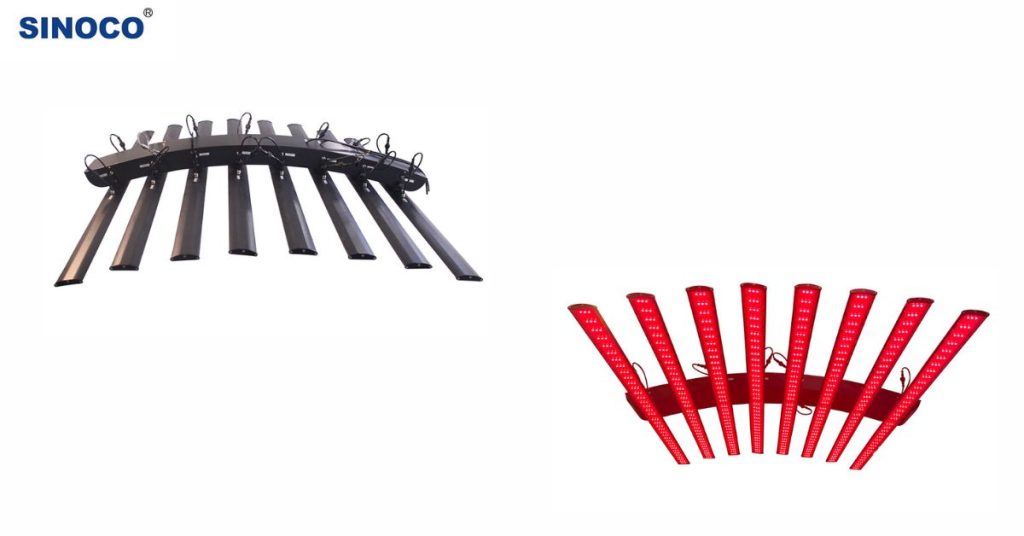
Choose devices that are:
✔ Designed for animal use or adaptable
✔ Capable of delivering appropriate irradiance
✔ Equipped with safety features (timers, protective housing)
6. Choosing the Right Equine Light Therapy Device
Not all light therapy systems are equal. Important factors include:
A. Wavelength Range
Select equipment with:
- Red light (600–700 nm)
- Near‑infrared (780–1200 nm)
This combination covers both surface and deep tissue.
B. Output Power
Higher irradiance (measured in mW/cm²) ensures deeper penetration, especially important for joints and muscles.
C. Treatment Area
Large panels are useful for horses due to their size. Smaller probes are good for targeted therapy (tendons, joints).
D. Session Timing and Controls
Look for:
- Programmable treatment times
- Easy control systems
- Safety shut‑off features
7. Success Stories: Real Results From Equine Light Therapy
While individual results vary, many trainers and veterinarians have reported improvements in:
- Faster tendon recovery after strains
- Reduced soreness during performance seasons
- Improved hoof health in chronic laminitis cases
- Less stiffness in aging horses
References from equine rehab clinics and vet reports support these findings as a complementary tool — not a replacement for professional care.
8. Complementary Practices That Boost Results
Light therapy works best when integrated with:
A. Proper Nutrition
Antioxidants and anti‑inflammatory feeds enhance tissue repair.
B. Targeted Exercise Plans
Combining controlled movement with light therapy supports remodeling and strength.
C. Regular Veterinary Evaluation
A vet can optimize light therapy protocols to your horse’s condition.
9. Troubleshooting Common Issues for equine light therapy equipment
“My horse avoids standing still during treatment.”
Solution: Use short sessions, treat quiet areas first, pair with calming routines.
“I’m not seeing progress after 1 week.”
Solution: Light therapy often shows cumulative results; evaluate after 3–4 weeks of consistent use.
“Which areas benefit most?”
Focus on:
- Joints (fetlocks, stifles)
- Muscles (back, shoulders, hindquarters)
- Tendon zones (suspensories)
10. A Daily Protocol You Can Follow
Here’s a simple daily plan:
| Time of Day | Activity | Duration |
|---|---|---|
| Morning | Pre‑work muscle warm‑ups | 8–12 min |
| Midday | Targeted tendon/joint therapy | 10–15 min |
| Evening | Recovery and inflammation support | 10–20 min |
| Post‑Event | Soft tissue recovery | 15–20 min |
Consistency is key — daily light therapy builds results over weeks, not hours.
Conclusion
Equine light therapy use is both a growing science and a practical tool for horse owners, trainers, and rehabilitation professionals. When used correctly and consistently, it supports:
- Faster healing from injury
- Better performance recovery
- Reduced inflammation
- Enhanced hoof and joint health
With a solid daily usage routine, proper equipment, and professional oversight, equine light therapy can be a transformative part of your horse’s care plan.