

Quick Summary (TL;DR)
- The gap this fills: Most guides tell you how to choose a good LED street lighting manufacturer. Almost none explain what actually happens after you’ve chosen one — the MOQ negotiation, the sample process, the container math, and the paperwork.
- MOQ reality: Most established LED street lighting manufacturer factories will quote a “standard” MOQ of 50–100 units per model, but this is almost always negotiable down for a paid sample order or a first trial container.
- Lead time reality: Budget 25–40 days production plus 30–45 days ocean freight for most sea-freight orders — anyone quoting “7 days” for a full container is either lying or shipping from existing stock.
- The single biggest risk: Skipping third-party pre-shipment inspection. It costs a few hundred dollars and it’s the cheapest insurance you’ll ever buy against a bad container.
We’ve gone through this sourcing process — sample rounds, MOQ back-and-forth, container quotes, the works — enough times with lighting manufacturers to know where people get stuck. It’s rarely the product spec that trips buyers up. It’s the mechanics of the transaction itself: nobody tells you what a “reasonable” MOQ actually looks like, how long a sample really takes to arrive, or what questions to ask before you wire a deposit.
LED Street Lighting Manufacturer Sourcing: MOQ, Samples, Lead Times & Import Process
Why This Part of Sourcing Gets Skipped
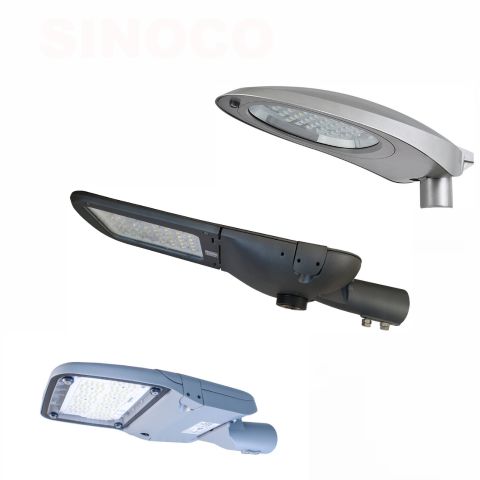
Most content about working with an LED street lighting manufacturer focuses on product quality — lumens per watt, IP ratings, certifications. All of that matters, but it’s only useful once you’ve already decided who to buy from. The harder, less-discussed part is the actual purchasing process: negotiating quantity, verifying the sample matches the promise, understanding what you’re paying for at each stage, and getting the goods through customs without a surprise bill. We’re covering that end-to-end here.
Step 1: Understanding MOQ (Minimum Order Quantity)
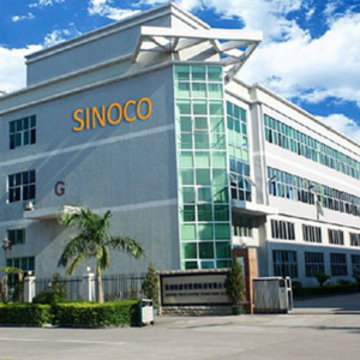
MOQ is the first number every LED street lighting manufacturer will throw at you, and it’s rarely fixed the way it sounds.
Typical MOQ ranges by product type:
- Standard all-in-one solar LED street lights: 20–50 units
- Modular/traditional grid-powered LED street lights: 50–100 units per wattage/model
- Fully custom housing or lens designs: 200+ units (tooling costs need volume to amortize)
- Smart/IoT-enabled street lights with custom firmware: 100+ units, sometimes higher due to controller programming batches
What actually moves the MOQ:
- A paid sample order (1–5 units) almost always gets waived from formal MOQ requirements — you’re paying full unit price plus shipping, but there’s no volume threshold
- Municipal or government tender projects can often negotiate lower first-order MOQs in exchange for a documented multi-year supply relationship
- Off-the-shelf models (no custom lens, no custom housing color, no custom firmware) have dramatically lower MOQs than anything requiring a new mold or PCB run
If a manufacturer refuses to budge on MOQ even for a paid sample, that’s worth noting — reputable factories treat samples as a normal cost of doing business, not a favor.
Step 2: The Sample Process — What to Actually Expect
Getting a sample is where a lot of buyers get their first real signal about whether a manufacturer is worth working with.
Realistic sample timeline:
- Off-the-shelf/standard model: 3–7 days to prepare and ship
- Sample with minor customization (logo, color, wattage swap): 10–15 days
- Fully custom sample (new mold, new lens design): 20–30 days, sometimes longer if tooling has to be cut first
Sample cost norms: Expect to pay full unit price for the sample itself, plus express shipping (DHL/FedEx/UPS), which for a single street light fixture (they’re heavy — often 5–15kg with housing) can run $80–$250 depending on destination. Some manufacturers will credit the sample cost back against your first bulk order — ask directly, because it’s not always offered proactively.
What to actually test when the sample arrives:
- Run it for at least 48–72 continuous hours to check for early thermal issues or driver failure
- Measure actual lumen output if you have access to a lux meter, and compare against the datasheet claim
- Check IP rating claims by inspecting gasket seating and cable gland quality — this is where cheap manufacturers cut corners invisibly
- Confirm the physical weight and dimensions match the spec sheet exactly, since this affects pole mounting hardware and shipping calculations later
Step 3: Reading a Quote Properly (FOB, CIF, EXW)
LED street lighting manufacturer quotes almost always come in one of three trade terms, and confusing them is a common, expensive mistake.
- EXW (Ex Works): Price covers the product only, picked up at the factory gate. You (or your freight forwarder) handle everything from there — domestic trucking in China, export customs, ocean freight, import customs, and delivery.
- FOB (Free On Board): Price includes getting the goods to the origin port and loaded onto the vessel. This is the most common term for first-time buyers because it’s a clean handoff point — you arrange the ocean freight and everything after.
- CIF (Cost, Insurance, Freight): Price includes ocean freight and basic insurance to your destination port. Convenient, but you lose some negotiating leverage on freight cost since the manufacturer controls that leg.
For a first order, FOB is usually the best balance — you get a fair amount of control without having to manage Chinese domestic logistics yourself.
Step 4: Container Loading Math (So You’re Not Guessing)
This is the part almost nobody explains clearly, and it directly affects your per-unit landed cost.
- A 20ft container typically holds 250–400 units of standard LED street lights (30W–150W range), depending on housing size and whether poles/brackets are shipped separately
- A 40ft standard container roughly doubles that, holding 500–800 units under the same assumptions
- A 40ft high-cube container adds another 10–15% capacity over a standard 40ft due to the extra height
Always ask your manufacturer for the exact carton dimensions and units-per-carton figure for your specific model — generic capacity numbers online are only a starting estimate. Manufacturers with efficient nested packaging (fixtures without poles, flat-packed housings) can often fit meaningfully more per container than competitors shipping the same wattage in bulkier boxes, which changes your real freight cost per unit.
Step 5: Payment Terms You’ll Actually Be Offered
- 30% deposit / 70% before shipment (T/T): The most common structure for first-time buyers. The 30% deposit triggers production start; the 70% balance is paid once goods are inspected and ready to load.
- Letter of Credit (LC): More common for larger, established buyers or government tenders. Adds bank-level payment security but comes with added paperwork and sometimes bank fees on both sides.
- 30/40/30 split: Some manufacturers split further — deposit, a mid-production payment, and final balance — particularly on larger custom orders where tooling costs are front-loaded.
Avoid 100% upfront payment requests from any manufacturer, regardless of how attractive the price looks. It removes your only real leverage if something goes wrong during production.
Step 6: Third-Party Inspection — The Step People Skip and Regret
Before the balance payment goes out and the container is sealed, a third-party pre-shipment inspection (companies like SGS, Bureau Veritas, or independent local inspectors) checks:
- Random sampling against your agreed AQL (Acceptable Quality Level) — typically AQL 2.5 for general lighting goods
- Visual defects, housing damage, and packaging integrity
- Function testing — powering on a sample percentage of the batch to confirm no dead-on-arrival units
- Verifying the actual wattage, color temperature, and quantity match the purchase order exactly
This typically costs a few hundred dollars for a standard container inspection — a rounding error compared to the cost of a container full of units with a hidden driver defect discovered only after it clears customs.
Step 7: Customs, HS Codes, and Import Duty Basics
LED street lights typically fall under HS code 9405.41 (electric lamps and lighting fittings) in most customs systems, though the exact subheading can vary slightly by country and whether the fixture includes a solar panel or smart controller module bundled in. Import duty rates vary significantly by destination country and any applicable trade agreements — it’s worth confirming the exact rate with a customs broker or your freight forwarder before finalizing your budget, since a duty miscalculation can meaningfully change your landed cost per unit.
Documents you’ll need ready on the import side typically include: commercial invoice, packing list, bill of lading, and — depending on your country — a certificate of conformity or CE/UL documentation matching the specific model you ordered, not just a generic company certificate.
Common Mistakes That Cost Buyers Money
- Comparing quotes without confirming the trade term. An EXW quote will always look cheaper than an FOB or CIF quote from a competitor — until you add in everything EXW doesn’t cover.
- Skipping the sample test period. A sample that looks fine on day one can show driver or thermal issues by day three. Test before committing to the bulk order.
- Accepting vague lead time promises. “2–3 weeks” without a production schedule breakdown is a soft commitment, not a real one. Ask for a projected timeline tied to your deposit date.
- Not confirming carton and container specifics for your exact model. Generic capacity numbers from a sales rep are often optimistic; get the real carton dimensions.
- Paying the full balance before inspection. Inspection should happen before the final payment triggers, not after.
A Realistic First-Order Timeline
| Stage | Typical Duration |
|---|---|
| Sample request to sample in hand | 3–30 days (depending on customization) |
| Sample testing period | 2–7 days |
| Deposit paid to production start | 1–3 days |
| Production (standard order) | 25–40 days |
| Pre-shipment inspection | 1–2 days, scheduled near production completion |
| Ocean freight transit | 20–45 days, depending on origin/destination port |
| Customs clearance and final delivery | 3–10 days |
Total realistic timeline from first sample request to goods in hand: 8–14 weeks for a first order. Repeat orders with an established manufacturer relationship move faster since sample and negotiation time drops out of the equation.
Frequently Asked Questions
What’s a reasonable MOQ to expect from an LED street lighting manufacturer?
For standard, non-customized models, 20–100 units is typical depending on wattage and product line. Fully custom housings or lenses push MOQs higher because of tooling costs.
How much does a sample from an LED street lighting manufacturer usually cost?
Full unit price plus express shipping, typically $80–$250 total for shipping alone on top of the unit cost, since fixtures are heavy. Some manufacturers credit this back against a confirmed bulk order.
Is FOB or CIF better for a first order?
FOB generally gives first-time buyers more control and clearer cost visibility, since you or your freight forwarder handle the ocean leg directly rather than trusting the manufacturer’s freight markup.
How many LED street lights fit in a standard container?
Roughly 250–400 units in a 20ft container and 500–800 in a 40ft container for typical 30W–150W fixtures, though this varies by housing size and whether poles ship separately — always confirm with your specific manufacturer’s carton specs.
Do I really need third-party inspection for a small first order?
Yes. Inspection cost scales down for smaller orders and remains one of the cheapest risk-reduction steps available, regardless of order size.
Final Thoughts: Sourcing From an LED Street Lighting Manufacturer the Right Way
Working with an LED street lighting manufacturer isn’t just about finding the right specs on a datasheet — it’s about understanding the mechanics of the deal itself, from the first sample request through the container clearing customs on your end. The buyers who get burned aren’t usually the ones who picked a bad factory; they’re the ones who skipped a sample test, accepted a vague lead time, or paid the full balance before inspection.
If you take one thing from this guide, make it this: treat every stage — MOQ, sample, quote terms, payment structure, inspection — as a checkpoint, not a formality. A reliable LED street lighting manufacturer will expect these questions and answer them without friction. One that dodges them, rushes you past the sample stage, or pushes for 100% upfront payment is telling you something important before you’ve spent a dollar.
Get the mechanics right, and the sourcing relationship that follows tends to take care of itself.