

Indoor gardening is booming, and with it comes the growing popularity of LED grow light indoor plants. Whether you live in a small apartment, have limited natural sunlight, or want year-round plant growth, LED grow lights are a game-changer.
LED lights provide full spectrum illumination that mimics natural sunlight, helping indoor plants grow faster, stronger, and healthier. They’re energy-efficient, low-heat, and customizable for a wide range of plants, from leafy greens to flowering species.
Table of Contents
LED Grow Light Indoor Plants: 20 Best Indoor Plants for LED Gardening
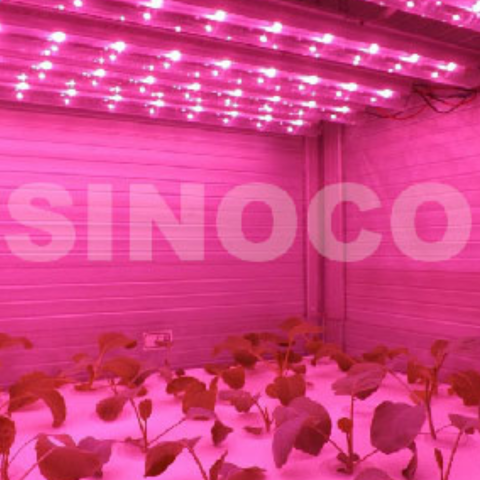
In this guide, we’ll walk you through 20 of the best indoor plants that thrive under LED grow lights, explain how to set up your lighting, solve common problems, and recommend expert tips to maximize growth. This is your complete, problem-solving guide for indoor gardening success with SinocoLED.
Why Use LED Grow Lights for Indoor Plants?
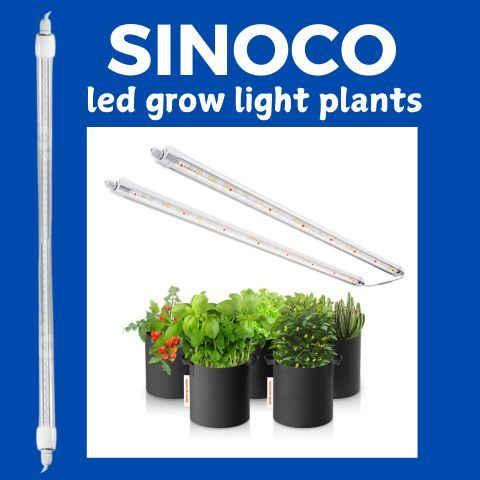
Source : Support healthy plant growth with Sinoco’s LED grow light for indoor plants.
LED grow lights have revolutionized indoor gardening because they provide the right spectrum of light for photosynthesis without wasting energy. Unlike fluorescent or incandescent lights, LEDs are highly efficient and emit little heat, reducing the risk of burning leaves.
Benefits of LED grow lights for indoor plants:
- Faster growth and improved yields
- Stronger stems and healthier foliage
- Year-round gardening regardless of season
- Customizable spectrum for different growth stages
- Energy-efficient and cost-saving
Common questions:
- Are LED grow lights safe for all indoor plants?
- Can they replace sunlight completely?
Answer: Most indoor plants thrive under full spectrum LED lights, but some species may need supplemental natural light for optimal flowering.
How to Choose the Right LED Grow Light for Indoor Plants
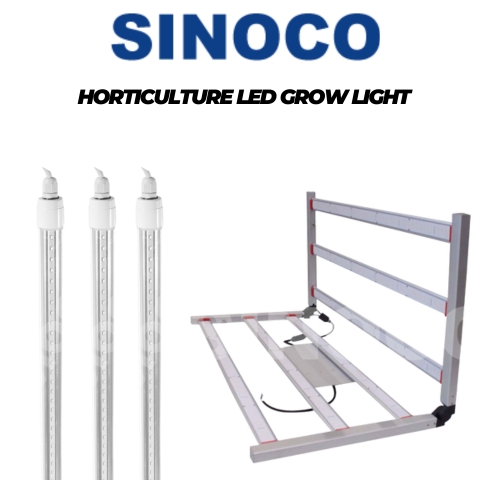
Selecting the correct LED grow light is crucial for the success of your indoor plants. Here are the key factors:
Light Spectrum & Intensity
- Plants need blue light for leafy growth and red light for flowering.
- Full spectrum LED grow lights are ideal for most indoor plants.
Distance from Plants
- Keep lights 12–24 inches above low-light plants like herbs.
- High-light plants like tomatoes or succulents may need closer proximity.
Power & Wattage
- Small setups: 20–40 watts per plant
- Medium setups: 50–100 watts
- Large or professional setups: 150–300 watts
Timers & Automation
- Most indoor plants thrive with 12–16 hours of light per day.
- Timers ensure consistent growth and prevent overexposure.
Budget vs Professional Options
- Entry-level LED grow lights work for beginners.
- SinocoLED offers professional full spectrum kits for high-yield indoor gardening.
Top 20 LED Grow Light Indoor Plants
Each plant includes growth tips, LED placement, and troubleshooting advice.
LED Light Distance & Duration Table
A clear table helps readers quickly understand how far to place LED lights for each plant and how many hours per day they need.
| Plant | LED Light Distance | Light Hours | Light Spectrum | Tips |
|---|---|---|---|---|
| Basil | 12–14 inches | 12–14 hrs | Full spectrum | Yellow leaves = move farther |
| Lettuce | 12–18 inches | 14–16 hrs | Blue + red | Prevent leaf curl by adjusting humidity |
| Spinach | 12–16 inches | 14 hrs | Blue | Avoid leggy growth |
| Cherry Tomatoes | 12 inches | 16 hrs | Red | Rotate for even fruiting |
| Peppers | 12–18 inches | 14–16 hrs | Red + blue | Maintain consistent watering |
| Mint | 12 inches | 12–14 hrs | Full spectrum | Cut back frequently to encourage bushy growth |
| Parsley | 12–14 inches | 12–14 hrs | Blue | Ensure consistent light exposure |
| Orchids | 14–18 inches | 12 hrs | Red + blue | Use indirect LED light to prevent leaf burn |
| Succulents | 10–12 inches | 14 hrs | Full spectrum | Rotate weekly for uniform growth |
| Aloe Vera | 10–12 inches | 12–14 hrs | Full spectrum | Avoid overheating |
| Microgreens | 6–12 inches | 14–16 hrs | Full spectrum | Rotate trays for even growth |
1. Basil
- Growth Benefits: Fast-growing herb ideal for kitchens.
- LED Tip: 12–14 hours under full spectrum LED grow light indoor plants setup.
- Problem-Solving: Yellow leaves may indicate lights too close.
2. Lettuce
- Thrives in low-medium light.
- LED height: 12–18 inches.
- Prevent leaf curl by adjusting humidity and light schedule.
3. Spinach
- Prefers cooler temperatures and medium LED intensity.
- Avoid leggy growth by ensuring 14–16 hours of light.
4. Cherry Tomatoes
- Requires higher intensity and red spectrum for fruiting.
- Rotate plants to prevent uneven growth.
5. Peppers (Bell & Chili)
- LED placement: 12–18 inches
- Maintain consistent watering to prevent leaf drop.
6. Mint
- Fast-growing, low-maintenance herb.
- Cut back frequently to encourage bushy growth.
7. Parsley
- Thrives under moderate LED intensity.
- Ensure 12 hours of light daily.
8. Cilantro
- Short lifespan, requires high-frequency LED exposure.
- Avoid overcrowding to prevent fungal issues.
9. Orchids
- LED grow lights replace natural sunlight in low-light homes.
- Use blue and red spectrum for flowering.
10. Succulents
- Low water needs, prefer bright LED light.
- Rotate weekly for uniform growth.
11. Aloe Vera
- Thick, fleshy leaves store water.
- Requires bright light, but avoid direct heat from LEDs.
12. Peace Lily
- Low-maintenance flowering plant.
- LED tip: Indirect light, 12 hours daily.
13. Snake Plant (Sansevieria)
- Very low light tolerance.
- LED tip: Can survive in medium-low LED intensity.
14. Spider Plant
- Thrives under moderate LED light.
- Avoid overwatering; leaves will yellow.
15. Pothos
- Perfect for beginners; low-maintenance trailing plant.
- LED tip: Can tolerate low-medium light.
16. Microgreens
- Rapid growth under high-intensity LED light.
- Rotate trays for even light exposure.
17. Kale
- Full spectrum LED promotes rich green leaves.
- Avoid overcrowding seedlings.
18. Strawberries
- Red spectrum LED improves fruiting.
- Maintain 14 hours of light daily.
19. Marigolds
- Bright flowering plants, prefer full spectrum LEDs.
- Rotate plants for even flowering.
20. Lavender
- Requires high LED intensity for fragrant blooms.
- Avoid overwatering, ensure proper drainage.
Common Problems with LED Grow Light Indoor Plants (And How to Fix Them)
Plants Not Growing
- Check light spectrum, duration, and distance.
Yellowing Leaves
- LED too close or nutrient deficiency.
Leggy Growth
- Insufficient light intensity.
Wilting or Curling Leaves
- Too much heat, overwatering, or poor air circulation.
Indoor Gardening Tips for LED Grow Light Success
- Rotate plants weekly for even growth
- Group plants with similar light requirements
- Maintain humidity and temperature
- Use reflective surfaces to maximize LED efficiency
- Choose the right SinocoLED product for your setup
Buying Guide: SinocoLED Products for Indoor Plants
- Entry-Level Kits: Perfect for small kitchens or apartments
- Professional Kits: Ideal for leafy greens, herbs, or fruiting plants
- Full Spectrum Kits: Best for multi-species indoor gardens
- Highlight features: energy efficiency, adjustable height, timers, low heat
FAQ Section
Q1: How far should LED grow light be from indoor plants?
A: 12–24 inches depending on plant type.
Q2: How many hours of LED light do indoor plants need?
A: 12–16 hours daily is ideal.
Q3: Can all indoor plants grow under LED lights?
A: Most can, but flowering plants may need higher red light intensity.
Q4: Are LED grow lights safe for children and pets?
A: Yes, LEDs are low heat and safe when mounted properly.
Conclusion
LED grow light indoor plants are the key to thriving indoor gardens, even in apartments, winter months, or low-light conditions. By choosing the right plants, using proper LED placement, and following expert tips, you can achieve lush, healthy growth year-round.
Start your indoor gardening journey with SinocoLED products and experience the difference that full-spectrum, energy-efficient LED grow lights can make for your home plants.
Browse our full range of SinocoLED LED grow light kits today and grow your indoor garden to its full potential!