

Red light therapy for horses has become a popular topic among horse owners, trainers, and equine professionals. This gentle, non invasive treatment uses specific wavelengths of light usually red and near infrared, secifically to support natural healing processes. While it’s not a replacement for veterinary care, many horse owners use red light therapy as part of a broader rehabilitation or performance support plan.
A Complete Guide to Red Light Therapy for Horses
This guide explains how red light therapy for horses works, its potential benefits, common uses, limitations, safety concerns, and how it fits into equine care.

What Is Red Light Therapy for Horses?
Red light therapy, also called photobiomodulation (PBM), low-level laser therapy (LLLT), or cold laser therapy, involves exposing a horse’s tissues to specific wavelengths of red (around 630 nm) and near-infrared (760–1,400 nm) light.
These light wavelengths are designed to penetrate the skin and reach deeper tissues at different depths:
- Red light (~630 nm) affects surface tissues like skin, wounds, and bruises.
- Near-infrared light (760–1,400 nm) penetrates deeper into muscles, tendons, ligaments, and joints — sections that are harder to reach with surface-level treatments.
The idea is that this light interacts with cells at a deep level, especially mitochondria — the tiny energy producers inside cells — helping them create more energy (ATP), which may support healing, reduce inflammation, and improve circulation.
How Red Light Therapy Is Thought to Work
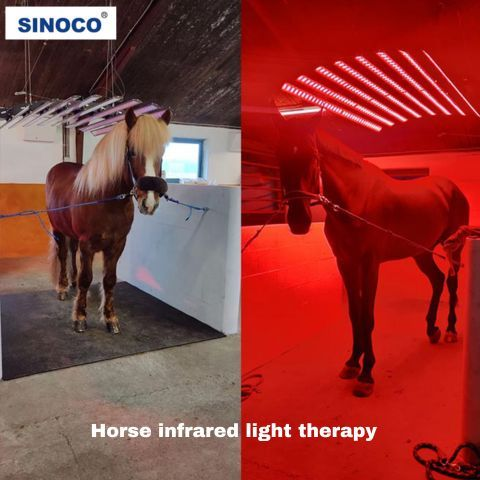
Red light therapy for horses doesn’t heat tissues like a heat lamp. Instead, it is believed to trigger cellular responses that support the horse’s natural repair mechanisms. Research suggests that when light energy enters cells:
- ATP production increases, giving cells more energy to repair themselves.
- Blood flow improves, bringing oxygen and nutrients to tired tissues.
- Inflammation and oxidative stress may decrease, which may reduce pain and swelling.
Because of this, red light therapy for horses may help when paired with other treatments like physical therapy, massage, or veterinary care.
Key Applications of Red Light Therapy in Horses
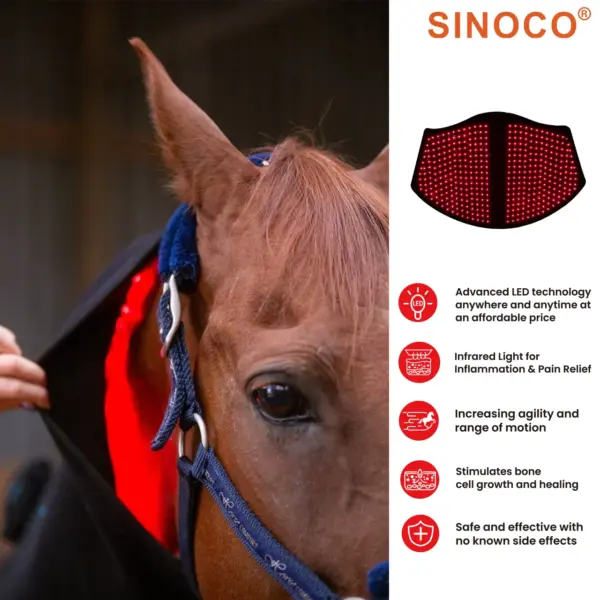
Although strong scientific evidence is still growing, experienced horse professionals use red light therapy for several common goals:
1. Pain Relief & Inflammation Control
Horses with chronic pain, arthritis, or inflammation from repeated strain can show discomfort during daily activities. Red light therapy is believed to help reduce inflammation and pain by supporting improved circulation and cellular repair — which may decrease reliance on pain medications when used properly.
2. Injury Recovery
Soft-tissue injuries like muscle strains, tendon sprains, and bruising are common in performance horses. Red light therapy might help speed up healing times by enhancing cellular repair, helping tissues rebuild more effectively.
3. Performance Maintenance & Recovery
For horses involved in sports like racing, show jumping, or dressage, regular red light sessions may support muscle recovery after workouts. Improved circulation and reduced post-exercise stiffness may help horses maintain performance with less downtime.
4. Muscle Relaxation & Preparation
Some trainers use red light therapy Red light therapy for horses supports tissue repair, reduces inflammation, and improves circulation using near-infrared light for recovery.
as part of pre-work routines, helping warm up muscles before intense activity without heat damage. Post-exercise, it may help reduce lactic acid buildup and support relaxation.
Conditions Often Supported with Red Light Therapy for horses
While red light therapy should not replace veterinary diagnosis or treatment, it’s sometimes used as a supportive tool for:
- Tendon and ligament injuries
- Arthritis and joint stiffness
- Soft-tissue strains
- Post-workout stiffness
- Post-surgery recovery
- Performance support for active horses
Each horse is different, and responses to therapy can vary. Some may show noticeable improvements, while others may benefit less — which is why it’s important to pair PBM with guidance from a qualified equine veterinarian.
Safety Considerations and Limitations
Red light therapy for horses is generally considered safe because it is non-invasive and does not deliver heat like traditional lamps. Still, you should take important precautions:
Always:
- Use protective eyewear for both the horse and handler during sessions.
- Avoid treatment over sensitive areas such as the eyes, reproductive organs, tumors, or growth plates.
- Consult a veterinarian before starting therapy to ensure it suits your horse’s condition.
Do NOT use it for:
- Severe infections
- Open, untreated wounds
- Unassessed lameness
- Bone fractures or significant trauma
- Areas requiring immediate veterinary care
Because red light therapy doesn’t have standardized treatment protocols yet, it should always be part of a comprehensive care plan that includes medical treatment, physical therapy, and good nutrition.
What to Expect in a Red Light Therapy Session
Sessions usually last 20–30 minutes, but timing can vary based on:
- Whether the condition is acute (recent injury) or chronic (long-term issue)
- The size and sensitivity of the treatment area
- How the horse responds to therapy
Acute injuries may benefit from daily sessions at first, while chronic conditions like arthritis might need treatments spaced every few days. A veterinarian or equine therapist can help customize a schedule based on your horse’s needs.
Cost of Red Light Therapy for Horses
The cost depends on how you choose to use it:
1. Using a Device at Home
Some horse owners buy red light therapy equipment ranging from a few hundred to several thousand dollars, depending on quality and strength. Premium devices often have stronger output, adjustable settings, and broader coverage — ideal for larger horses or widespread use.
2. Professional Sessions
If you prefer a professional facility, individual session prices vary by location and treatment plan. Many practitioners offer package deals for repeated sessions, which can make long-term care more affordable.
Always consult your veterinarian before buying a device or booking sessions.
How Red Light Therapy Fits Into a Care Plan
Red light therapy for horses should be seen as supportive care, not a standalone solution for serious medical issues. When combined with:
- Veterinary diagnosis
- Proper nutrition
- Physical therapy
- Rest and controlled exercise
it may help improve quality of life, support recovery, and reduce inflammation.
Consistent use over time — along with careful observation of your horse’s response — is important. Results can vary widely between individual horses, and some conditions require medical intervention that light therapy alone cannot address.
Frequently Asked Questions (FAQ) About Red Light Therapy for Horses
1. Does red light therapy really work for horses?
Red light therapy may help horses by supporting natural healing processes at the cellular level. Research in photobiomodulation suggests it can increase blood flow, reduce inflammation, and stimulate tissue repair. While many horse owners report positive results for muscle soreness and joint stiffness, it should be used alongside veterinary care, not as a replacement.
2. Is red light therapy safe for horses?
Yes, red light therapy is generally considered safe when used correctly. It is non-invasive and does not produce harmful heat. However, protective eyewear should always be used, and it should not be applied over the eyes, tumors, reproductive organs, or untreated infections. Always consult a veterinarian before starting treatment.
3. How long does it take to see results in horses?
Results vary depending on the condition. Some horses show improvement in soreness or stiffness after a few sessions. Chronic conditions such as arthritis may require multiple weeks of consistent treatment. Acute injuries may respond faster when treated early.
4. Can red light therapy help with tendon and ligament injuries?
Red light therapy may support recovery from soft tissue injuries such as tendon strains and ligament sprains. It is believed to improve circulation and stimulate cellular repair. However, it must be combined with proper veterinary diagnosis, controlled exercise, and rehabilitation protocols.
5. Is red light therapy better than cold laser therapy?
Red light therapy and cold laser therapy are both forms of photobiomodulation. The main difference lies in the device used and the power output. Both aim to stimulate healing through specific wavelengths of light. The effectiveness depends on correct usage, wavelength, and treatment consistency.
6. How often should red light therapy be used on horses?
For acute injuries, sessions may be recommended daily at first. For chronic issues like joint stiffness, treatments may be done several times per week. The schedule should always follow veterinary guidance based on the horse’s specific condition.
7. Can red light therapy reduce inflammation in horses?
Research suggests red and near-infrared light may help reduce inflammation by improving cellular energy production and blood circulation. This can help decrease swelling and discomfort in affected areas, especially after exercise or minor injuries.
8. Is red light therapy good for arthritis in horses?
Red light therapy may help manage symptoms of equine arthritis by reducing stiffness and improving mobility. While it cannot cure arthritis, it may support comfort and joint function when used consistently alongside medical treatment and joint supplements.
9. Can I use red light therapy at home?
Yes, many horse owners purchase red light therapy devices for home use. However, it is important to choose a high-quality device with the correct wavelength range (630–900+ nm). Always consult a veterinarian before starting treatment at home.
10. Are there any side effects of red light therapy for horses?
Side effects are rare when used properly. Overuse or incorrect application may lead to temporary sensitivity. Avoid treating areas with active infections, fractures, or undiagnosed swelling without veterinary approval.
11. What conditions should NOT be treated with red light therapy?
Red light therapy for horses should not be used over:
- Cancerous tumors
- Severe infections
- Open untreated wounds
- Growth plates in young horses
- Areas with significant trauma without vet approval
Professional evaluation is always recommended first.
12. Does red light therapy improve performance in sport horses?
Some trainers use red light therapy to support muscle recovery and reduce post-exercise soreness. Improved circulation may help horses recover faster between training sessions. However, it should be part of a broader conditioning and recovery program.
Summary
Red light therapy for horses is a non-invasive, low-risk treatment that uses red and near infrared light to support cellular repair, improve circulation, and potentially reduce inflammation and pain. It may be helpful as part of a comprehensive rehabilitation or performance support plan, especially for soft-tissue injuries, muscle recovery, and chronic joint conditions.
However:
- Scientific evidence is still emerging
- It should complement veterinary care
- It is not a substitute for medical treatment
Consult with your veterinarian before starting or changing any therapy plan.