

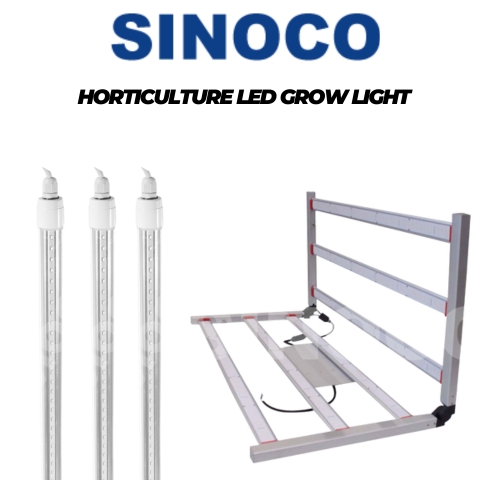
Indoor agriculture and controlled-environment farming have grown exponentially in recent years. The driving force behind this revolution is advanced lighting technology, and at the forefront are Horticulture LED grow lights. Unlike traditional lighting systems, LED grow lights offer unmatched efficiency, spectrum control, and cost savings, making them the preferred choice for professional growers, hobbyists, and commercial operations alike.
What Are the Advantages of Horticulture LED Grow Lights ?

As a reliable horticulture LED grow light manufacturer, companies like SinoCoLED provide innovative solutions tailored for every plant growth stage—from seedlings to flowering and fruiting. Understanding the advantages of horticulture LED grow lights helps growers maximize yield, reduce costs, and maintain sustainable operations.
What Sets Horticulture LED Grow Lights Apart?
1. Energy Efficiency and Cost Savings
One of the primary advantages of horticulture LED grow lights is their energy efficiency. Compared to traditional HPS, MH, or fluorescent lighting, LED systems consume up to 50–70% less electricity, significantly lowering operational costs.
- LSI Keywords: energy-saving grow lights, low-power LED horticulture lights, electricity-efficient indoor lighting
- LEDs also convert more electrical energy into usable light for plants rather than heat, increasing efficiency and reducing cooling costs.
For commercial growers, the combination of energy efficiency and long lifespan ensures that the upfront investment in quality LED lighting pays off rapidly, making LED grow lights an economical long-term solution.
2. Full Spectrum Light for Optimal Plant Growth
Plants require specific light spectra for photosynthesis and healthy growth. Unlike traditional lighting, LED grow lights can deliver a customizable full spectrum, including red, blue, far-red, and UV wavelengths, tailored to each growth stage:
- Blue Light (400–500 nm): Promotes vegetative growth, leaf development, and strong stems
- Red Light (600–700 nm): Enhances flowering and fruiting
- Far-Red & UV Light: Stimulates flowering hormones and secondary metabolite production
This precise spectrum control allows growers to mimic natural sunlight indoors, ensuring consistent yields regardless of season or location.
Internal Link: Explore advanced options with SinoCoLED horticulture LED grow lights.
3. Longevity and Durability
High-quality horticulture LED grow lights are designed for long-term use, often exceeding 50,000 hours of operational life. This dramatically reduces replacement costs compared to traditional HPS or CFL systems, which may only last 10,000–20,000 hours.
- LSI Keywords: long-life LED grow lights, durable horticultural lighting, commercial indoor grow lights
- LEDs also resist breakage, vibrations, and high humidity, making them ideal for commercial grow rooms, greenhouses, and vertical farms.
4. Low Heat Emission and Better Climate Control
LED grow lights emit significantly less heat than conventional lighting, offering several advantages:
- Reduces the need for extensive ventilation or cooling systems
- Prevents leaf burn or plant stress
- Enables closer light placement, maximizing light absorption without damaging crops
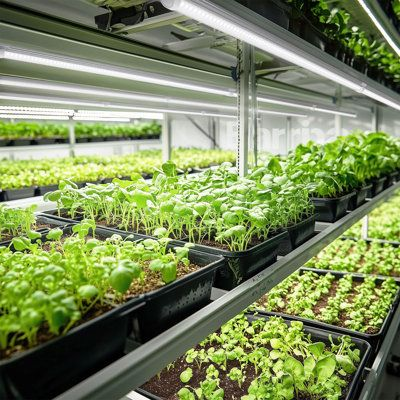
This makes LED systems suitable for dense indoor farms and multi-layer vertical farming setups.
5. Customizable and Scalable Solutions
As a leading horticulture LED grow light manufacturer, providers often offer tailored solutions to meet specific crop needs, grow space sizes, and lighting schedules:
- Modular designs for large or small grow operations
- Adjustable spectrum for different plant species
- Smart controllers for scheduling and intensity adjustment
Growers benefit from scalable lighting solutions that grow with their operations, enhancing efficiency and productivity.
6. Sustainable and Environmentally Friendly
Sustainability is a major concern in modern agriculture. LED grow lights are eco-friendly because they:
- Consume less energy
- Reduce carbon emissions
- Contain no harmful chemicals like mercury
- Support vertical and urban farming, reducing land use
By switching to LED technology, growers can achieve high yields while minimizing environmental impact, a critical factor for businesses seeking green certification.
7. Improved Crop Quality and Yield
Properly designed horticulture LED grow lights can improve crop quality, potency, and overall yield:
- Enhance plant coloration and nutrient density
- Promote faster growth cycles
- Support year-round cultivation
For commercial growers, this translates into higher profitability and consistent quality, giving a competitive edge in local and international markets.
8. Smart Integration and Automation
Modern LED grow lights often come with smart control systems, enabling:
- Automated light scheduling
- Remote monitoring via apps or cloud platforms
- Integration with temperature, humidity, and CO₂ sensors
These smart systems reduce labor costs and optimize plant growth conditions, making cultivation more precise and data-driven.
9. Reduced Maintenance and Operational Simplicity
LED grow lights are low-maintenance compared to HID and fluorescent lights:
- Minimal replacements
- No ballasts or complex wiring
- Easier installation and setup
This simplicity makes them attractive for both beginner growers and large commercial operations.
10. Compatibility with Various Growing Systems
Horticulture LED grow lights are compatible with multiple farming methods:
- Hydroponics: Efficient light penetration for water-based growth systems
- Aeroponics: Optimizes root-zone growth with tailored spectra
- Soil-based indoor cultivation: Enhances growth cycles in greenhouses and grow tents
By offering flexibility across cultivation systems, LED technology meets diverse market needs.
Choosing the Right Horticulture LED Grow Light Manufacturer
Source : Plant Grow Light
Selecting a trusted horticulture LED grow light manufacturer is crucial to fully realize these advantages. Key factors to consider include:
- Certification and Compliance
- CE, RoHS, UL/ETL certifications
- LM-79/LM-80 test reports for reliability
- Experience and Reputation
- Years in horticultural lighting
- Customer references and case studies
- Custom Solutions
- OEM/ODM capabilities
- Spectrum and fixture customization
- After-Sales Support
- Warranty and maintenance support
- Remote assistance for smart systems
- Scalability
- Ability to supply large commercial orders consistently
By prioritizing these factors, growers can partner with a supplier that delivers quality, innovation, and long-term reliability.
Future Trends in Horticulture LED Lighting
1. Increased Adoption of AI and IoT in Indoor Farming
AI-powered light management will allow growers to automate spectrum adjustments based on plant growth stages. This integration increases yield, reduces energy consumption, and enables precision agriculture.
2. Higher Efficiency LEDs
Advances in quantum-dot and COB LED technology are driving higher lumen output per watt, reducing energy costs and enhancing light penetration in dense crops.
3. Vertical Farming and Urban Agriculture
LED grow lights are integral to vertical farms, urban greenhouses, and rooftop agriculture, allowing sustainable year-round production in limited spaces.
Conclusion: Maximize Your Growth with the Right LED Partner
The advantages of horticulture LED grow lights are clear: energy efficiency, spectrum control, longevity, low heat, sustainability, and enhanced crop yields. Partnering with a reliable horticulture LED grow light manufacturer ensures access to high-quality, customizable lighting solutions that support professional indoor cultivation.
To explore industry-leading products and optimize your indoor farm for maximum growth, visit SinoCoLED horticulture LED grow lights for expert guidance, smart lighting solutions, and professional support.
By choosing the right LED grow lights and manufacturer, growers can boost productivity, improve crop quality, and reduce operational costs, positioning themselves for long-term success in the booming indoor agriculture market.